What Causes Fireplace Odors When Not in Use?
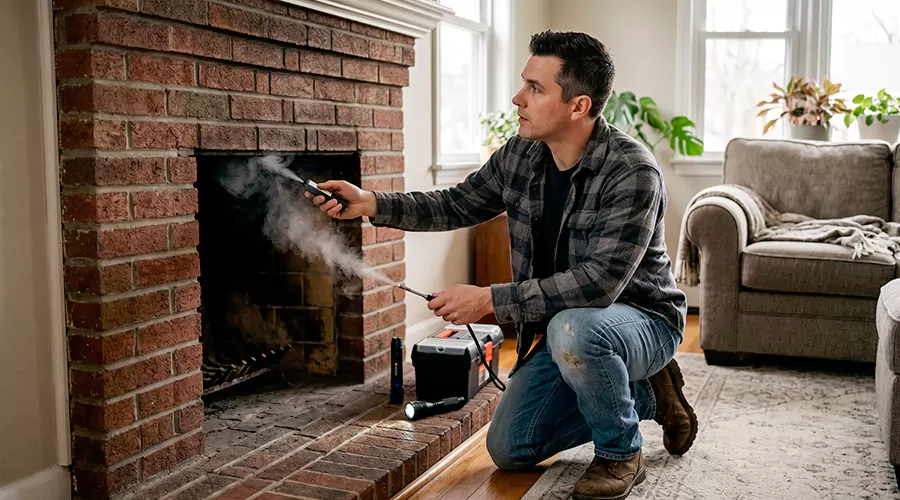
Explore what causes fireplace odors when not in use, including creosote buildup, moisture, chimney debris, animal nests, and poor airflow inside the flue.




Based on 500+ Reviews

Proudly American
Owned & Operated

A fireplace can sometimes produce unpleasant odors even when it has not been used for days, weeks, or months. These smells are often caused by conditions inside the chimney, changes in airflow, moisture problems, or buildup from previous fires. Chimney odor removal can help address persistent smells by identifying and treating the source of the odor.
A fireplace that smells when not in use does not always mean there is a serious problem, but persistent or strong odors can indicate issues that should be addressed. Identifying the source of the smell can help prevent chimney damage and improve indoor air quality.
When a fireplace is not in use, the chimney is no longer producing heat that pushes air upward. This can allow existing odors from inside the chimney to move back into the home.
Common causes of fireplace odors when not in use include:
Creosote is one of the most common causes of fireplace odors.
When wood burns, smoke particles and gases can stick to the inside walls of the chimney. Over time, these deposits create creosote buildup.
Creosote can produce:
The smell may become stronger during:
Regular chimney cleaning helps remove creosote deposits and reduce odors.
Water is another common cause of fireplace smells when the fireplace is not being used.
Moisture can enter the chimney through:
When water remains inside the chimney, it can create:
Repairing the source of moisture is important to prevent recurring odors.
A chimney needs proper airflow to remove odors and moisture.
When airflow is limited, smells can become trapped inside the chimney and move into the home.
Poor ventilation may be caused by:
A chimney inspection can help identify ventilation problems.
Old ash and soot left inside the fireplace can create unpleasant odors.
Ash can absorb:
Over time, this can create stale or smoky smells.
Regularly removing excess ash and cleaning the firebox can help reduce odors.
A chimney without proper protection can become a shelter for animals.
Common animals that may enter include:
Animals can cause odors through:
Signs of animal activity include:
A chimney cap with a protective screen can help prevent animal entry.
A dead animal trapped inside the chimney can create a strong and unpleasant odor.
Common signs include:
Removing the source of the odor and cleaning the affected area may be necessary.
Moisture problems can create conditions where mold and mildew develop inside the chimney.
This may happen because of:
Mold-related fireplace odors are often described as:
Fixing moisture issues is the most effective way to prevent mold odors.
Air pressure changes inside the home can pull chimney odors into living spaces.
Negative air pressure occurs when more air leaves the home than enters.
Common causes include:
This can reverse airflow and pull smells from the chimney into the room.
The fireplace damper helps control airflow between the fireplace and chimney.
If the damper is:
Odors from inside the chimney may enter the home more easily.
A properly functioning damper helps control airflow and reduce unwanted smells.
A blocked chimney can trap odors inside the fireplace system.
Possible blockages include:
Blocked chimneys may also cause:
A chimney inspection can help locate hidden obstructions.
Humidity can make fireplace odors stronger because moisture activates deposits inside the chimney.
Common reasons include:
Many homeowners notice fireplace smells becoming stronger during:
The correct solution depends on the cause of the smell.
Possible solutions include:
Remove:
Professional cleaning can remove:
Check and repair:
Ensure:
Install or repair:
A chimney cap can help reduce some fireplace odors by preventing:
However, a chimney cap will not remove odors caused by:
The underlying cause must be corrected.
Regular maintenance can help prevent unpleasant fireplace smells.
Helpful steps include:
Keeping the chimney dry and clean is one of the best ways to reduce odors.
Professional chimney evaluation may be needed when:
A professional inspection can identify hidden issues that are difficult to detect.
Fireplace odors when not in use are commonly caused by creosote buildup, moisture, poor ventilation, animal activity, soot, and airflow problems. While occasional fireplace smells can be normal, persistent odors may indicate a problem inside the chimney system. Identifying and fixing the source of the odor helps protect the chimney, prevent damage, and improve indoor comfort. Regular chimney cleaning, inspections, moisture protection, and proper maintenance can help keep a fireplace smelling fresh even when it is not being used.
Common causes include creosote buildup, moisture, animal activity, ash buildup, and poor chimney airflow.
Rain and humidity can activate odors from creosote, soot, and moisture inside the chimney.
Yes. Cleaning can remove odors caused by soot, ash, and creosote buildup, but moisture and structural problems may require repairs.
A chimney cap can help prevent animal and debris-related odors but will not fix all odor sources.
A musty smell may indicate moisture problems, mold, or water entering the chimney system.
Regular chimney inspections help identify buildup, moisture problems, and damage before they become major issues.
Explore what causes fireplace odors when not in use, including creosote buildup, moisture, chimney debris, animal nests, and poor airflow inside the flue.
